 Identity & access
Verify the requirements
Use official immigration sources and the organiser’s current instructions. Entry permission, accreditation and permission to compete are separate checks.
Assign document ownership →A room, a flight and a transfer are not a travel plan until they work together. Coordinate the dependencies so your roster arrives with time to prepare, not another problem to solve.
Start with the organiser’s required reporting time, not the flight search. Accreditation, media, practice and equipment checks can all sit before the first official match.
Specialist travel management connects those obligations to arrival windows, hotel access and transfer capacity. The useful deliverable is one owned timeline, not a folder of unrelated confirmations.
Build the schedule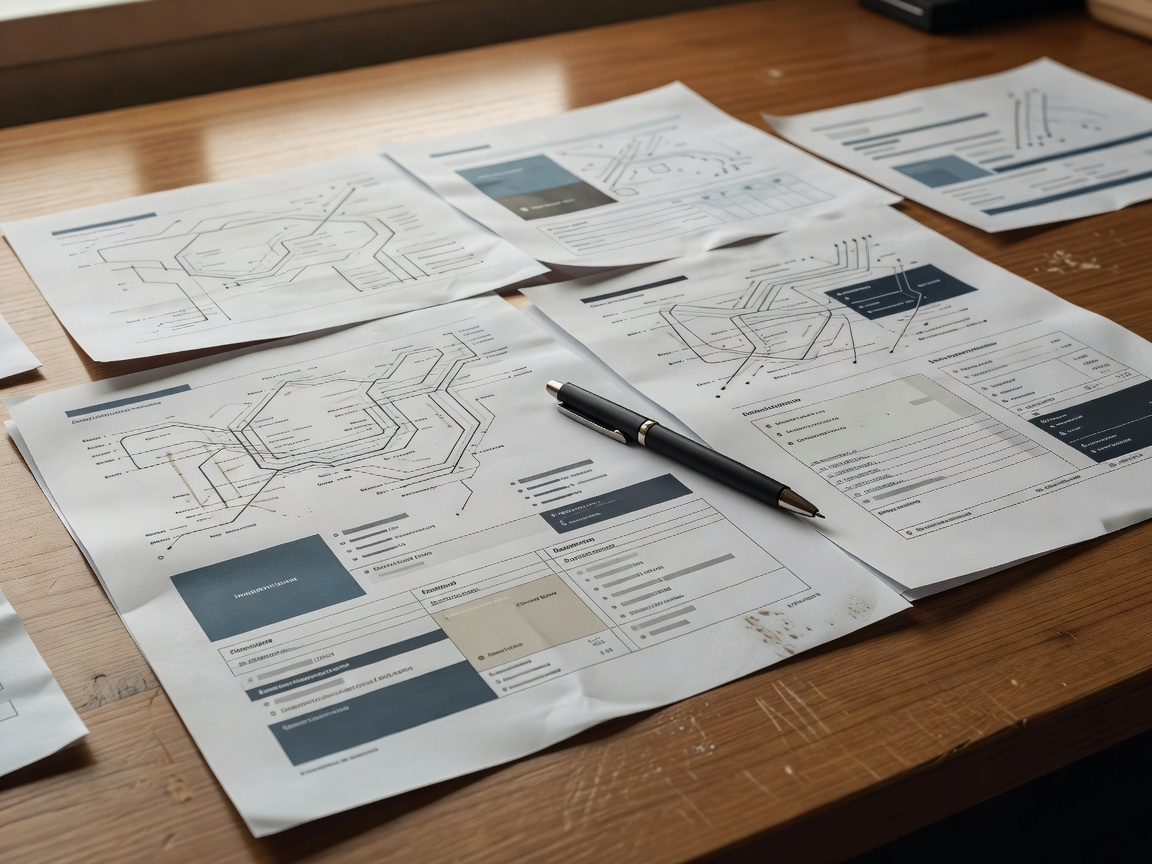 Dependency: reporting time → arrival window
Choose accommodation around sleep, meals and preparation. A short map distance matters less than a reliable venue journey and a room allocation that respects the team’s routines.
 Dependency: rest → readiness
A passenger count is only half the transfer brief. Cases, luggage, accessibility requirements and terminal meeting points determine whether the vehicle can perform the movement you booked.
Assign custody at every handover. A team manager should never need to guess who last saw the essential peripherals.
Trace the movement chain Dependency: roster + kit → vehicle capacity
Keep the operational view clear without exposing the roster’s personal data. Document ownership, access and expiry checks belong in the plan; passport scans do not belong in an open group chat.
Identity & accessUse official immigration sources and the organiser’s current instructions. Entry permission, accreditation and permission to compete are separate checks.
Assign document ownership → One operational record
Keep a dated movement sheet, supplier contacts and decision log available to the people who need them, including an offline copy.
Set up change control →A late flight, an extended bracket or a missing case should trigger a prepared decision, not a fresh debate about who can authorise the next move.
Define thresholds, fallback suppliers and spending authority before departure. Make sure each alternative protects the next tournament obligation.
Prepare the fallback planWork backwards from reporting, accreditation and practice obligations. Add realistic time for border processing, transfers, room access and rest. The appropriate margin depends on the route and the consequences of arriving late.
No. Ask about the actual connection, wired access, local network restrictions and room permissions. Get requirements agreed in writing and retain a fallback practice option.
No. This is an independent information resource, not a travel agency or a booking service. Use the guides to brief your own operations team or a specialist provider.
We use cookies
We use necessary cookies to run the site and, with your consent, optional ones to measure visits. You can change this at any time. More about cookies