Protect the next critical obligation
List the disruptions that would materially affect the team: a missed connection, delayed equipment, an unavailable practice room, a roster change or an extended tournament run. Rank them by operational consequence as well as likelihood. A relatively small delay can matter more than a major inconvenience if it removes the final opportunity to complete accreditation.
For each scenario, identify the next dependency at risk. This keeps the response focused. If the immediate problem is a flight cancellation, the objective is not simply to find another flight; it is to deliver the right people and equipment to the required place with the remaining entry, transfer and preparation conditions still satisfied.
Give the plan a decision deadline. Alternatives can disappear while a team waits for certainty. Define when the operations lead must reassess the situation and what information is needed at that point. Avoid artificial precision: use a threshold linked to the actual itinerary, supplier terms and tournament obligations rather than a generic delay rule.
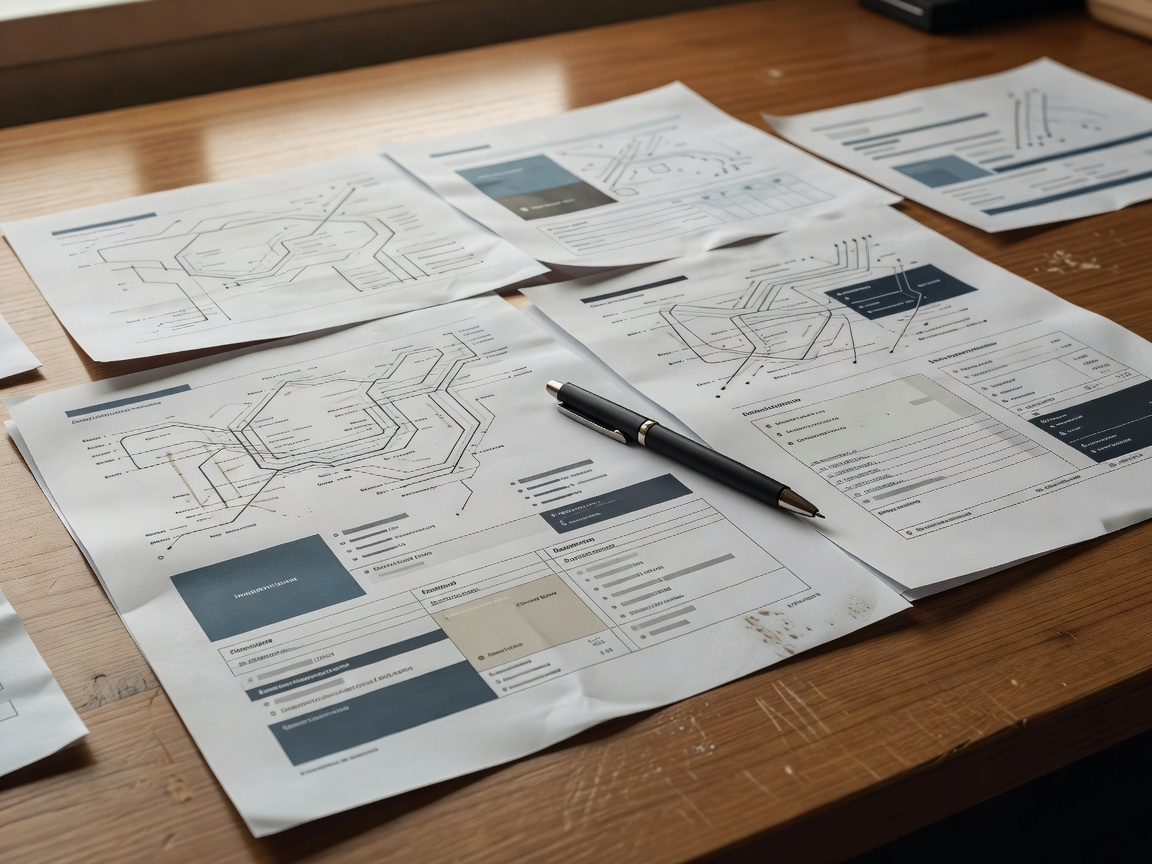 Trigger → decision → protected obligation
Check alternatives before calling them options
A fallback airport changes more than the arrival terminal. Recheck border requirements, baggage handling, ground transport and driver availability. A route through Zurich Airport or London Heathrow may create different transit considerations from the original journey. Verify the requirements for each traveller through official sources before treating a replacement itinerary as viable.
Accommodation alternatives need the same discipline. An available room may not support the roster’s required configuration, accessibility or late arrival. A longer stay at the current property may be operationally simpler, but it remains unconfirmed until the property accepts it. Keep separate labels for researched, requested and confirmed options.
For equipment delays, identify compatible substitutes and the person authorised to approve them. Check tournament restrictions before borrowing or replacing peripherals. The organiser may have inspection or configuration requirements. A replacement is useful only if it can be obtained, prepared and accepted within the remaining time. Record which items cannot realistically be substituted.
 Researched is not confirmed
Keep one decision trail
Use a short, repeatable sequence. The purpose is to remove ambiguity while leaving the responsible person enough room to respond to the actual situation.
Name the impact
Record the source of the disruption, the next obligation at risk and the latest useful decision time. Separate confirmed facts from assumptions.
Use the right authority
Present viable options, costs and remaining risks to the named decision-maker. Record approval before placing commitments outside delegated authority.
Close the communication loop
Publish the revised movement sheet, withdraw the old version and obtain acknowledgement from affected suppliers and team leads.
A group chat can alert people quickly, but it should not become the only change log. Summarise the decision in the controlled record with an issue time, owner and outstanding actions. If one person changes a pickup and another changes the hotel, confirm that both changes describe the same journey.
Give the coach a concise impact statement rather than a stream of unfiltered supplier messages. State what is confirmed, what the roster should do now and when the next update will arrive. Avoid unnecessary movement while arrangements remain unresolved, particularly if splitting the party would create safeguarding, access or equipment-custody problems.
Prepare authority, welfare and evidence
Agree spending authority, payment access and escalation coverage before departure. The person travelling with the team needs a clear route to approval when the usual office contact is unavailable. Confirm who can amend bookings and whether the booking channel imposes restrictions. Do not assume an airline or hotel will accept instructions from any member of the party.
Review insurance wording with the appropriate adviser. Medical assistance, competition-related activities, cancellation, equipment and business travel can have distinct conditions and exclusions. Carry policy and assistance details securely. In an emergency, prioritise local emergency services and immediate safety rather than waiting for a travel-planning discussion; 112 is available in Norway and across the European Union.
Keep relevant receipts, incident references and supplier communications. Entitlements depend on the actual circumstances, route and applicable rules; EU Regulation 261/2004 and the Montreal Convention are not blanket guarantees that every disruption cost will be reimbursed. Use official consumer guidance or qualified advice for a specific claim.
After the trip, run a short operational review. Identify which assumptions failed, whether decisions were made early enough and whether acknowledgements reached the right people. Update the next travel brief with concrete changes. The strongest contingency plan becomes more useful through documented experience, not through adding more pages that nobody reads.